Why Back Pain Isn’t Always About Your Back: The Hidden Role of the Diaphragm”
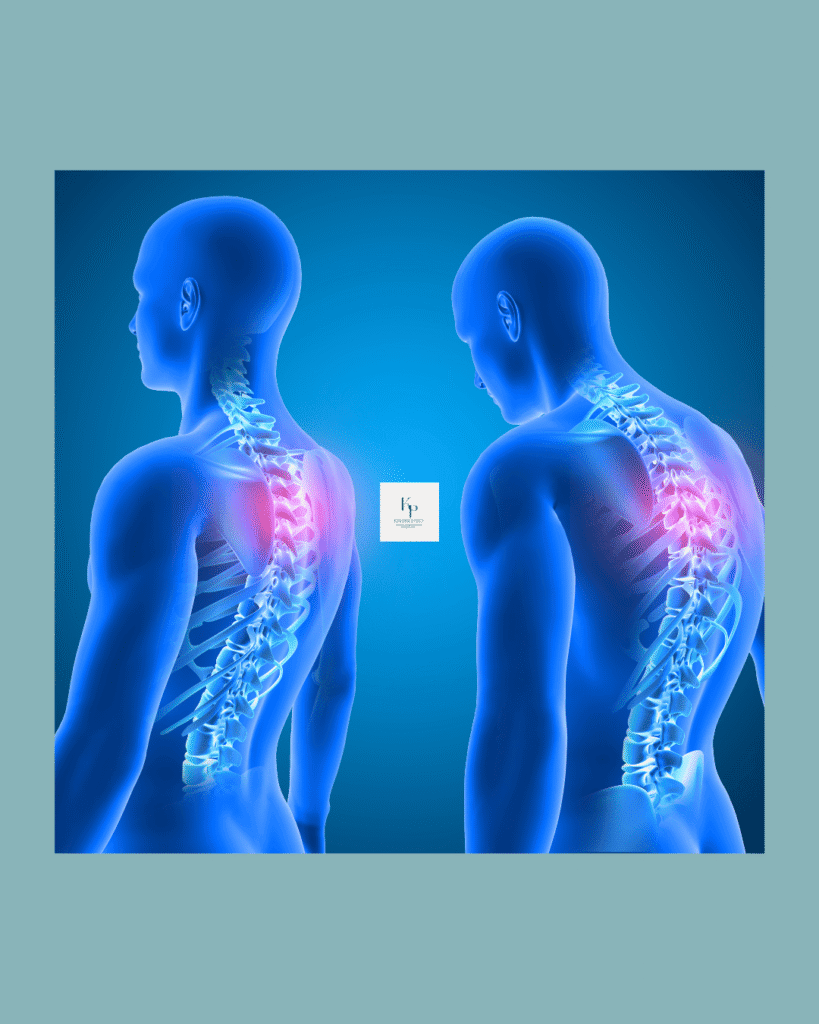
Most people think of posture and breathing as two separate things. One is how you sit or stand; the other is simply taking air in and out. But the two are deeply connected, when breathing becomes restricted, posture begins to collapse. Over time, this can lead to pain, tension, and reduced movement throughout the body.
As an osteopath and breathwork coach I see this pattern every single day. The good news? Once you understand the link between posture, breath and the diaphragm, it becomes possible to change it and the pain that comes with it.
Why Your Diaphragm Is the Unsung Hero of Your Core
Most people imagine their “core” as their abs. In truth, your core is a pressure system made of:
- The diaphragm (top)
- The pelvic floor (bottom)
- The deep abdominal muscles (front)
- The multifidus and spinal stabilisers (back)
These muscles work together like a gentle internal support system that:
- stabilises the spine
- protects the joints
- allows smooth, strong movement
- supports balance and walking
- regulates pressure when lifting, bending, coughing, or even going to the toilet
Research shows that when the diaphragm contracts properly, it increases intra-abdominal pressure and helps unload the spine, essentially giving the back support from the inside.
But when breathing becomes shallow or restricted, this support system weakens and the whole body compensates.
How Poor Breathing Starts the Posture–Pain Cycle
When you breathe well, the diaphragm descends, the ribs expand out and sideways, and the spine stays naturally aligned.
But modern life works against healthy breathing:
- long hours sitting
- phone/tablet use
- stress
- shallow chest breathing
These habits restrict the diaphragm, which then restricts movement of the ribs and mid-back. The result?

Once you understand the link between posture, breath and the diaphragm, it becomes possible to change it and the pain that comes with it.
A dropped chest and rounded shoulders
When the diaphragm can’t move well, the body collapses forward to find easier “accessory” breathing. This shortens neck muscles and stiffens the upper back.
Forward head posture
For every inch the head moves forward, neck muscles work significantly harder. Studies show this position decreases diaphragm strength and can reduce lung capacity by up to 30%.
Overuse of neck and shoulder muscles
These are not meant to be primary breathing muscles, but in stress or poor posture they take over. For example, what I see when I say take a deep breathe in, is a patients shoulders will raise up. This leads to neck tension, jaw tension, headaches and upper back pain.
Less oxygen, more fatigue and more pain
Shallow breathing limits oxygen. The brain perceives this as a threat, increasing stress hormones like cortisol. This creates a loop of:
restricted breathing → increased tension → worse posture → more pain
How Osteopathy Helps: Restoring Movement, Balance & Breath
Osteopathy works with the body’s structure to free the areas that restrict healthy breathing.
As an osteopath, I often treat:
The ribcage: Gentle mobilisation restores rib movement, improves chest expansion and gives the diaphragm space to work again.
The diaphragm itself: Releasing tension in the diaphragm increases its descent, allowing fuller breathing and improved core stability.
The spine: Restoring mobility through the thoracic spine reduces stiffness that blocks breath and contributes to back pain.
The neck and shoulders: Easing tension here reduces over-reliance on accessory breathing muscles.
The pelvis and abdominal wall: Balancing these areas helps restore the full core-pressure system that supports the spine. Studies show that improving mobility of the chest wall and spine can significantly improve breathing mechanics and even increase lung capacity.
Once movement is restored, breathwork becomes far easier and far more effective.
How Breathwork Re-Trains Your Core & Posture
Functional breathwork focuses on improving how you breathe every day, not just during exercises. When a person learns to engage the diaphragm properly:
Their posture improves automatically
The diaphragm anchors the ribcage and spine. A well-functioning diaphragm gently stacks the ribs over the pelvis, reducing slouching and spinal strain.
The deep core reactivates
Diaphragmatic breathing coordinates with the pelvic floor and deep abdominal muscles. This improves trunk stability without “bracing” or over-tightening.
Tension patterns unwind
Once breathing becomes calm and low, the neck, shoulders and jaw do not need to work so hard.
Mobility increases
Breathing drives movement. A more mobile ribcage supports a more mobile spine.
Pain reduces
When the diaphragm acts as the central stabiliser, the spine no longer has to compensate with tight, overworking muscles.
Common Postural Habits That Restrict Breathing
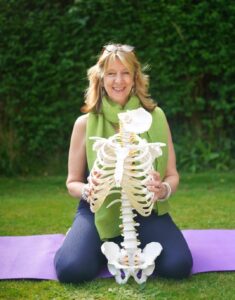
Osteopath and breathwork coach
Here are the patterns I see most often:
Slumping or collapsing forward: Compresses the lungs and pushes the diaphragm upward, limiting movement.
Lifting the chest to “sit up straight”: This looks good but actually locks the ribs and forces upper-chest breathing.
Tight belly or “sucking in”: This traps the diaphragm and weakens core stability over time.
Forward head posture: Limits airflow and increases tension in the neck.
High stress and shallow chest breathing: Keeps the nervous system in fight/flight mode, feeding tension and pain.
Osteopathy And Breathwork: Why the Combination Works So Well
Osteopathy frees the structure. Breathwork retrains the function. Together they:
- improve posture by correcting the root cause
- release muscular tension
- restore healthy rib and diaphragm movement
- rebuild deep core stability
- reduce pain and improve mobility
- support long-term rehabilitation
It’s not about taking “bigger” breaths, it’s about taking better ones.
Simple Test You Can Try at Home
Place one hand on your chest and one on your belly.
- Does your chest lift first?
- Do you feel little movement in the ribs?
- Does your belly tighten instead of gently expanding?
- Do your shoulders rise as you inhale?
- Is it hard to breathe deeply without effort?
If so, your breathing pattern may be contributing to your posture and pain.
Final Thoughts: If You’re Not Breathing Well, You’re Not Moving Well
Pain rarely appears “out of nowhere.” More often, it develops from subtle compensations, especially in how we breathe and how we hold ourselves. By restoring movement through osteopathy and retraining functional breathing, you give the body permission to move freely again.
Better breath → better posture → better movement → less pain.
If you have any questions or would like to learn more, sign up for my 4-week online Introduction to Breathwork Course, to start your movement towards less pain, or contact me.