Mouth Taping: My Perspective as a Breathwork Practitioner
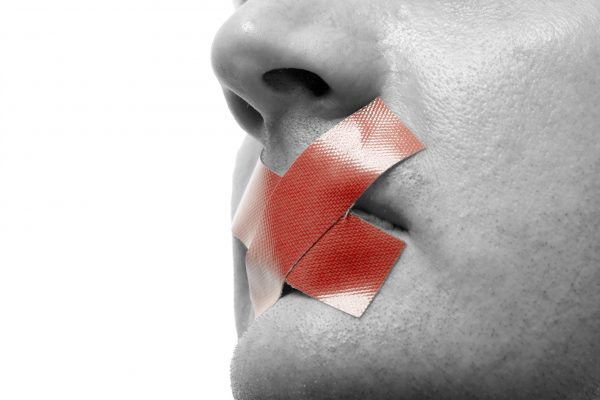
If you spend any time on social media, you’ve probably seen the hype about mouth taping, people sealing their lips shut at night to stop mouth breathing. It’s certainly a trend that sparks curiosity, with plenty of bold claims attached.
As a breathwork practitioner and certified Oxygen Advantage® instructor, I wanted to share a perspective that cuts through some of that noise. Mouth taping isn’t something I recommend to everyone, nor is it a magic fix. However, as part of my own breathwork journey I have experimented with it and found it useful in certain contexts. In addition, I do recommend it to some clients, when appropriate in their breathwork journey.
Why I Tried Mouth Taping
My background in breathwork has taught me just how important nasal breathing is for health, recovery, and resilience (I’ve written more about nasal breathing here).The Power of Slower Breathing: Unlocking Benefits for Your Body and Mind Despite this, I found that I would still wake up with a dry mouth some mornings, a sign that I was slipping into mouth breathing overnight.
Mouth taping became a tool I have used and recommended to gently nudge myself and clients towards maintaining nasal breathing during sleep, reinforcing the benefits that this brings.
The Benefits Myself and Clients have Experienced
When incorporating mouth taping consistently, these range of benefits were noticed by myself and my clients:
- Improved sleep quality, generally waking up feeling more rested and energised.
- Less snoring
- Clearer nasal passages in the morning
- More consistent nasal breathing during the day
A key benefit I experience and my clients have reported, is that the practice of mouth taping is helpful in keeping you aware of, and committed to, nasal breathing at night.
What the Research Says (So Far)
As with many wellness trends, the scientific evidence around mouth taping is still developing. There’s no gold-standard clinical trial yet, but some interesting research points are worth noting:
 Mouth breathing and oral health: A 2020 study linked habitual mouth breathing in children with shifts in the oral microbiome, leading to higher levels of harmful bacteria.
Sleep studies: Preliminary research suggests mouth taping can reduce snoring and improve symptoms of mild obstructive sleep apnea. Some studies have also looked at its role alongside CPAP or mandibular devices, with positive early results.
Dental hygiene: Dentists note that saliva is crucial for protecting teeth. Mouth breathing dries the mouth, reducing saliva and increasing risk of cavities. Taping may help reduce this risk.
That said, experts are clear: more high-quality studies are needed before mouth taping can be widely recommended.
Who It’s Not For
This is important: mouth taping isn’t safe for everyone. If you breathe through your mouth because of underlying issues, simply taping it shut can be risky.
You should always speak to a qualified Breathwork Coach or healthcare professional about mouth taping first, especially if you:
- Have sleep apnea (diagnosed or suspected).
- Have nasal obstructions, chronic sinus issues, or a deviated septum.
- Experience frequent colds, allergies, or congestion.
- Struggle with anxiety or claustrophobia.
- Take medications or substances that deeply sedate you.
Remember: If you’re unsure, always consult a healthcare professional before experimenting.
My Bottom Line
As an Oxygen Advantage practitioner, I see mouth taping not as a “trend,” but as one small tool in the wider practice of supporting nasal breathing, especially at night, when habits are harder to control. In the exposure I have had, it has helped reinforce the benefits of nasal breathing, which range from improved oxygen uptake to better sleep and oral health.
But I would always recommend first using and experimenting with mouth-taping during the day. And it is important to recognise it isn’t a one-size-fits-all solution. The benefits are highly personal, and the risks are real if underlying issues are ignored.
If you’re curious about trying mouth taping, do so mindfully:
- Make sure your nose is clear and breathing feels comfortable.
- Use gentle, medical-grade tape designed for skin.
- Start small, perhaps during a nap to test comfort.
- Speak with a healthcare professional if you have any concerns.
For me, it’s been a worthwhile practice, but the bigger picture is this: the immense benefits come from nasal breathing itself. Mouth taping is just one way among many to support that.
References
- Lee, Y. et al. (2022). The impact of mouth-taping in mouth-breathers with mild obstructive sleep apnea: A preliminary study. Healthcare, 10(9), 1755. https://doi.org/10.3390/healthcare10091755
- Quigley, J. (2023). Mouth taping. British Dental Journal, 234, 845. https://doi.org/10.1038/s41415-023-6039-7