The Surprising Link Between Your Jaw and Pelvic Floor
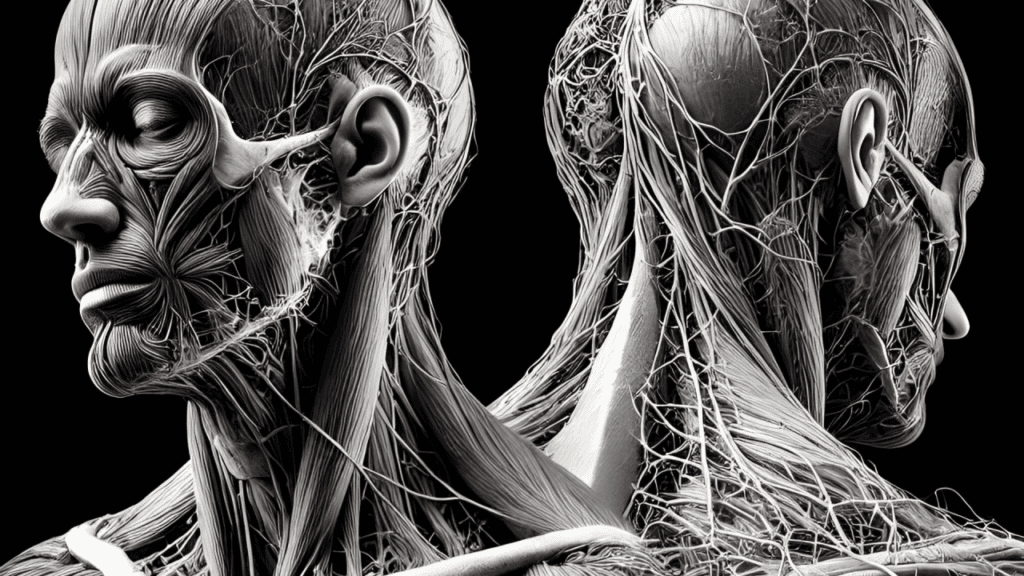
When most people think about tension in the body, they tend to focus on where they feel it most. Perhaps it’s a tight jaw after a stressful day, aching hips, lower back discomfort, or a feeling of heaviness and tension in the pelvic floor.
What many people don’t realise is that these seemingly separate areas of the body are deeply connected. In fact, every time you clench your jaw, another part of your body often responds in sympathy: your pelvic floor.
This relationship isn’t simply a theory or alternative wellness concept. It is supported by anatomy, neurology and the body’s intricate connective tissue system. Understanding this hidden connection can offer valuable insights for anyone experiencing jaw tension, teeth grinding, pelvic floor discomfort, hip tightness, chronic stress or nervous system dysregulation.
One Continuous Connection
The body is held together by fascia – a vast web of connective tissue that surrounds and links every muscle, organ and structure. Rather than existing as separate parts, the body functions as one interconnected system.
Within this system is a fascial pathway known as the Deep Front Line. This line runs from the muscles of the tongue and jaw, down through the throat and chest, through the respiratory diaphragm, alongside the spine and into the pelvic floor.
Think of it as an internal highway connecting the top and bottom of the body. When tension builds in one area of this chain, it can create tension elsewhere. A habit of clenching your jaw may therefore contribute to increased tightness throughout the body, including the pelvic floor.
The Nervous System’s Protective Response
The connection goes beyond physical structures. Both the jaw and pelvic floor are highly responsive to emotional stress and nervous system activation. When we feel under pressure, anxious, overwhelmed or threatened, the body naturally enters a protective state often referred to as “fight or flight.”
During this response, the nervous system prepares the body for action. Muscles tighten; breathing changes and protective patterns emerge. One common pattern is the simultaneous tightening of the jaw and pelvic floor. The jaw braces to protect the head and neck, while the pelvic floor contracts to support and protect the organs below.
For many people, this becomes an unconscious habit. Over time, repeated stress can create chronic tension patterns that persist long after the stressful event has passed.
Connected From the Very Beginning
Remarkably, the relationship between the mouth and pelvis begins before birth. During early embryonic development, the structures that eventually become the mouth and jaw develop alongside those that form the urinary, digestive and reproductive systems.
As the body grows and lengthens, these structures move to opposite ends of the torso. Yet they retain a deep biological relationship, remaining linked through the body’s tissues and nervous system. In many ways, they continue to function as partners throughout life.
The Role of Pressure and Breathing
The body also relies on a coordinated pressure system involving three important diaphragms:
- The vocal cords and throat
- The respiratory diaphragm (our main breathing muscle)
- The pelvic diaphragm (the pelvic floor)
These structures work together to regulate breathing, movement, pressure and stability.
Pelvic health practitioners often refer to a principle known as the “Sphincter Law.” In simple terms, when the muscles around the mouth tighten, the sphincters and muscles of the pelvic floor tend to tighten too.
Have you ever noticed yourself pursing your lips, clenching your teeth or pressing your tongue firmly against the roof of your mouth when concentrating? These subtle habits may be signalling your pelvic floor to remain on high alert as well.
The good news is that the opposite is also true. Softening your jaw, relaxing your tongue and allowing your mouth to gently open can send powerful messages of safety to your nervous system, encouraging the pelvic floor to soften and release.
A Simple Place to Start
Many people spend years trying to address symptoms in one area of the body without recognising the wider pattern at play. By bringing awareness to your jaw tension, breathing habits and nervous system state, you may discover an unexpected pathway toward greater ease, relaxation and body awareness.
If you’d like to explore this connection further, I’ve created a simple exercise guide featuring several practical techniques that can help release jaw tension, encourage pelvic floor relaxation and support nervous system regulation.
To receive your free copy, send me a message and I’ll happily share the guide with you.